
Honduras: Coffee, Community, and the Cup of Excellence
By Peter Jones.
—
Update: we have won #3 in the Parainema Category, from Denilson’s grandmother, Leonora!
—
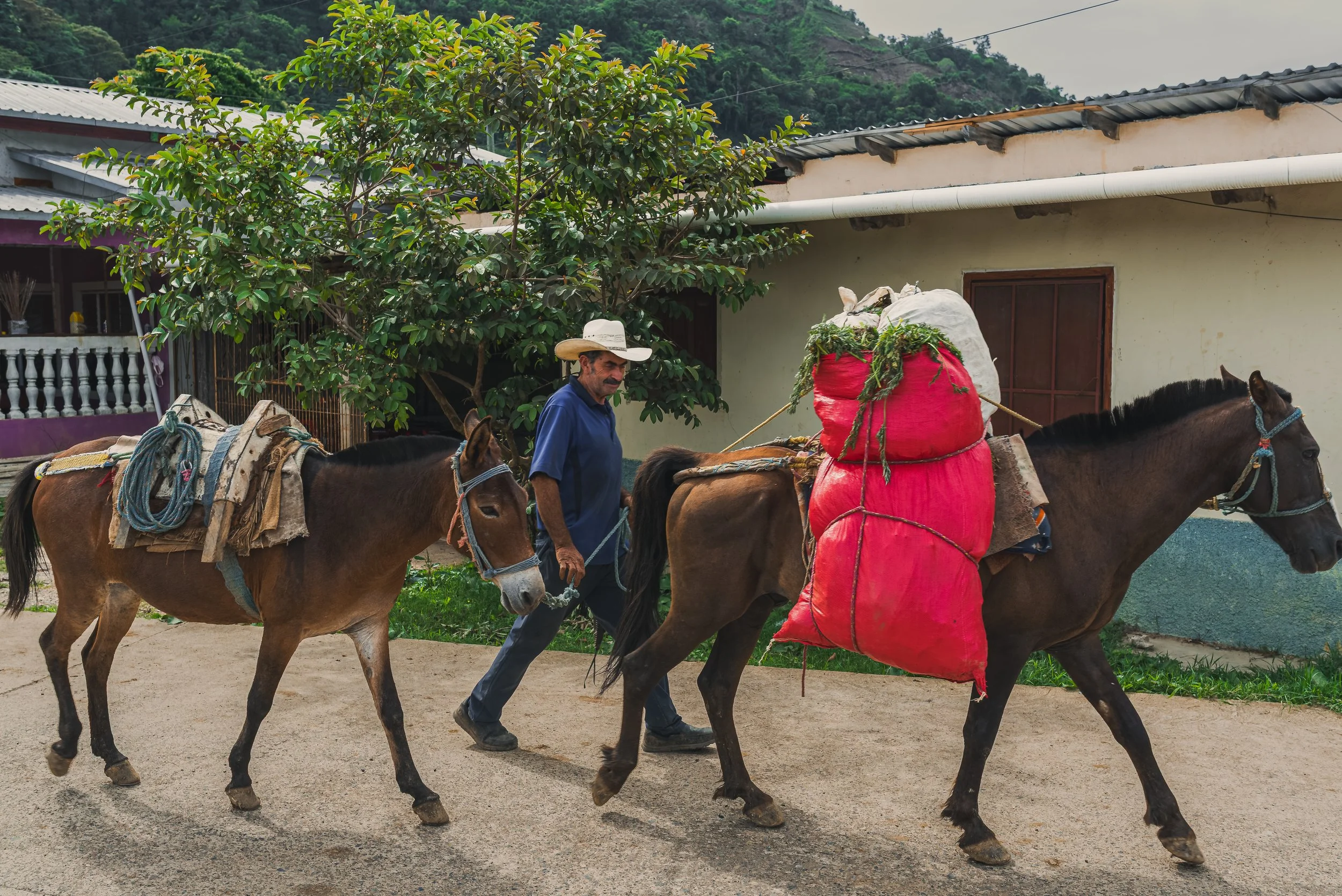
Honduras is Central America’s largest coffee exporter and one of the world’s leading producers of Arabica coffee. Contributing approximately five percent of the country’s GDP, coffee remains Honduras’ single largest source of agricultural foreign exchange (ILO, 2024). More than 120,000 farming families depend on coffee for their livelihoods, with production spread across 15 of Honduras’s 18 departments. For the 2025/26 harvest, exports are projected to reach approximately 5.5 million 60-kilogram bags, and farms continue to expand through the adoption of improved varieties such as Parainema, a cultivar prized for both its cup quality and resistance to coffee leaf rust (USDA, 2026).
These impressive statistics, however, tell only part of the story. Beneath them lies a production system where many smallholder farmers continue to face significant structural challenges. Approximately 80 percent of producers sell coffee as cherry or wet parchment to local intermediaries, limiting the opportunities to capture the full value of their work (ILO, 2024; Volcafe, 2022/2023). Likewise, many farmers continue to recover from Hurricanes Eta and Iota, which severely impacted the country in 2020, causing both severe damage to coffee farms and infrastructure, but also an explosion of leaf rust (La Roya) due to the extra rain (UNFCC, 2023).
While local coffee prices have strengthened in recent years, farms have recovered, and leaf rust incidences have declined, long-term sustainability for producers largely depends not only on market conditions but also on producing exceptional quality and building transparent, direct relationships with buyers who recognize and reward that quality.
It was with this broader context in mind that I returned to Honduras. I had not been back since before the hurricanes and my goals were threefold: to deepen my understanding of the country’s diverse coffee landscapes and terroirs, to serve as an International Judge for the Cup of Excellence competition, and most importantly, to continue building meaningful, long-term relationships with the producers whose coffees we (Idle Hands) hope to share for years to come.
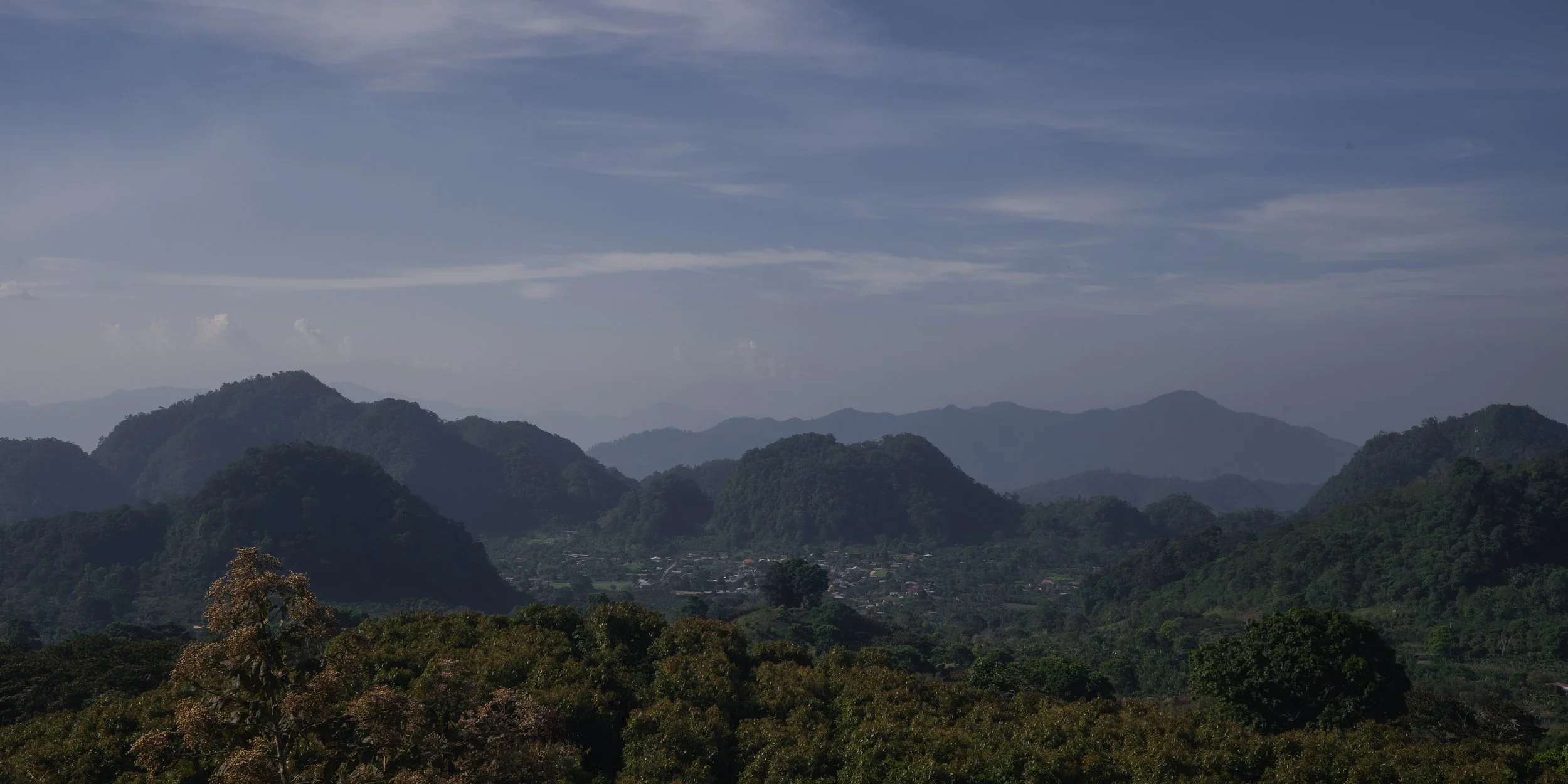
Beautiful views of San Luis Planes, in Santa Bárbara.
Santa Bárbara
Among Honduras’s many coffee-growing regions, Santa Bárbara has earned an international reputation as one of the country’s finest. I spent some time in the area back in 2019 and remembered how beautiful the land was and how friendly the people were. The region’s exceptional coffees are shaped by a remarkable combination of high elevations, fertile volcanic soils, the complex microclimates created by the mountains surrounding Lake Yojoa, and a deep passion for coffee farming shared by the local population. Together, these conditions produce coffees renowned for their clarity, sweetness, vibrant acidity, and remarkable complexity.
Approximately 11,500 producers cultivate coffee across more than 44,000 hectares in the department (USDA, 2026). At the heart of the region sits the town of Peña Blanca, a bustling center for coffee milling, exporting, and, increasingly, a growing café culture that reflects the region’s international recognition.
From Peña Blanca, narrow dirt roads climb into the surrounding mountains, connecting small communities such as El Cedral, El Carreto, and San Luis Planes. These villages are home to many of Honduras’s most celebrated producers, and coffees from Santa Bárbara have consistently placed among the highest-ranked entries in the Cup of Excellence competition for well over a decade. Their continued success speaks not only to the extraordinary terroir of the region, but also to the dedication, innovation, and meticulous craftsmanship of the families who cultivate these coffees year after year.
Building Long-Term Relationships
At Idle Hands, we believe that exceptional coffee begins with exceptional relationships. Rather than viewing coffee as a simple transaction, we strive to build long-term partnerships based on trust, transparency, and mutual respect. The most sustainable path forward for specialty coffee is one where producers are recognized not only for the quality they achieve, but also through enduring relationships that create financial stability and shared success over many harvests.
Earlier this year, Ricky had the opportunity to visit Denilson Madrid and his family while serving as Head Judge for the pre-selection phase of the Honduras Cup of Excellence competition. A few weeks later, I returned to Santa Bárbara while serving as an International Judge for the final phase of the competition, giving us another opportunity to spend time with the Madrid family.
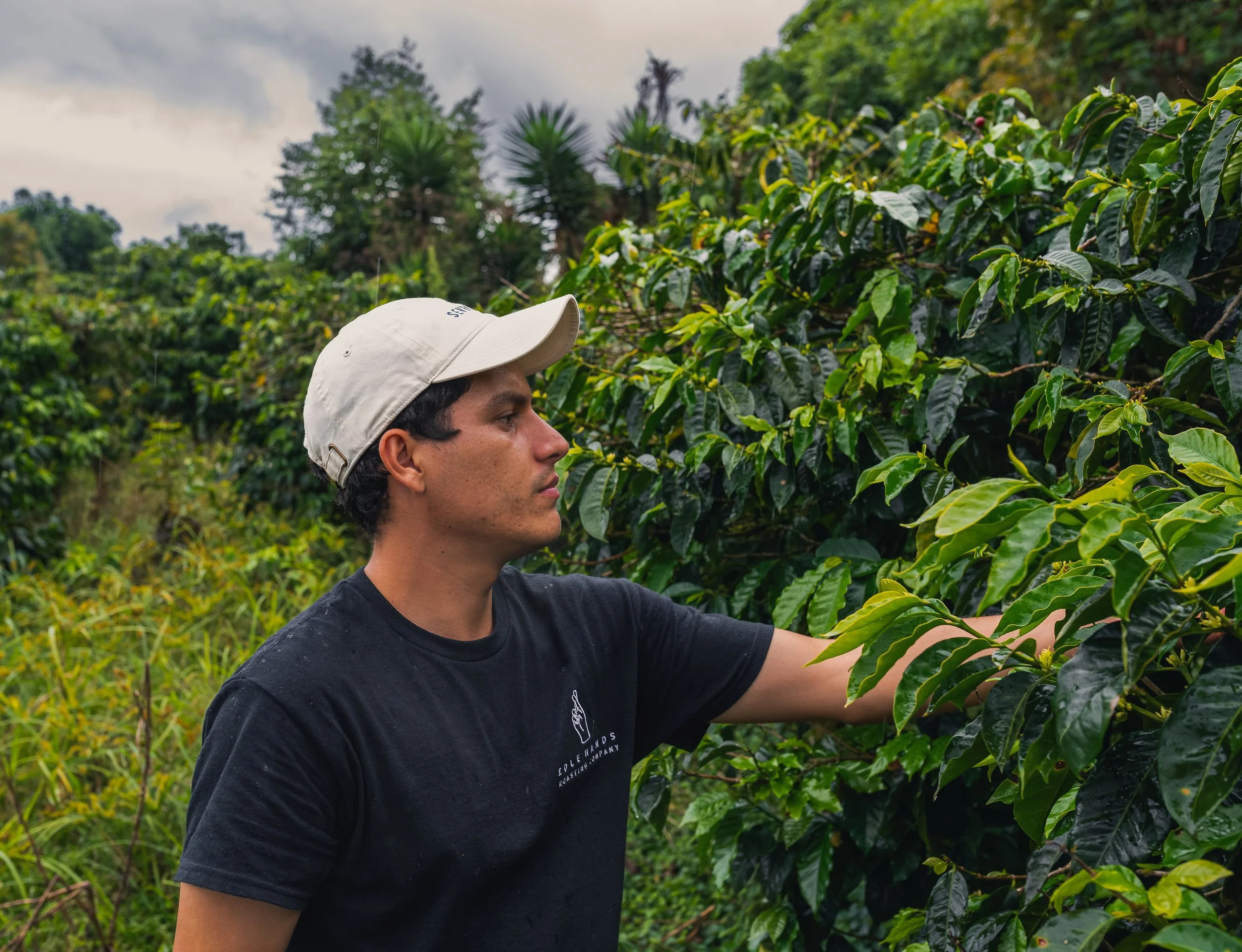
Denilson assessing the farm.
Over several days, I visited their farms, walked through their wet mills and processing stations, discussed harvesting and post-harvest techniques, and learned more about the careful decisions that shape every lot they produce. Just as important were the conversations shared over meals and coffee, where our friendships grew alongside discussions about farming, trucks, new building projects, and the future.
What stood out most was the family’s deep commitment to stewardship of the land and their relentless pursuit of excellence. Every stage of production reflected thoughtful attention to detail—from careful cherry selection and precise fermentation to meticulous drying and storage. Their philosophy aligns closely with our own belief that outstanding coffee is the result of countless small decisions made with patience, skill, and care.
The Madrid family consistently produces some of the finest Pacas and Parainema coffees we have ever tasted. We are honored to share their coffees and look forward to continuing a relationship that we hope will benefit both our businesses and the coffee community for many years to come.
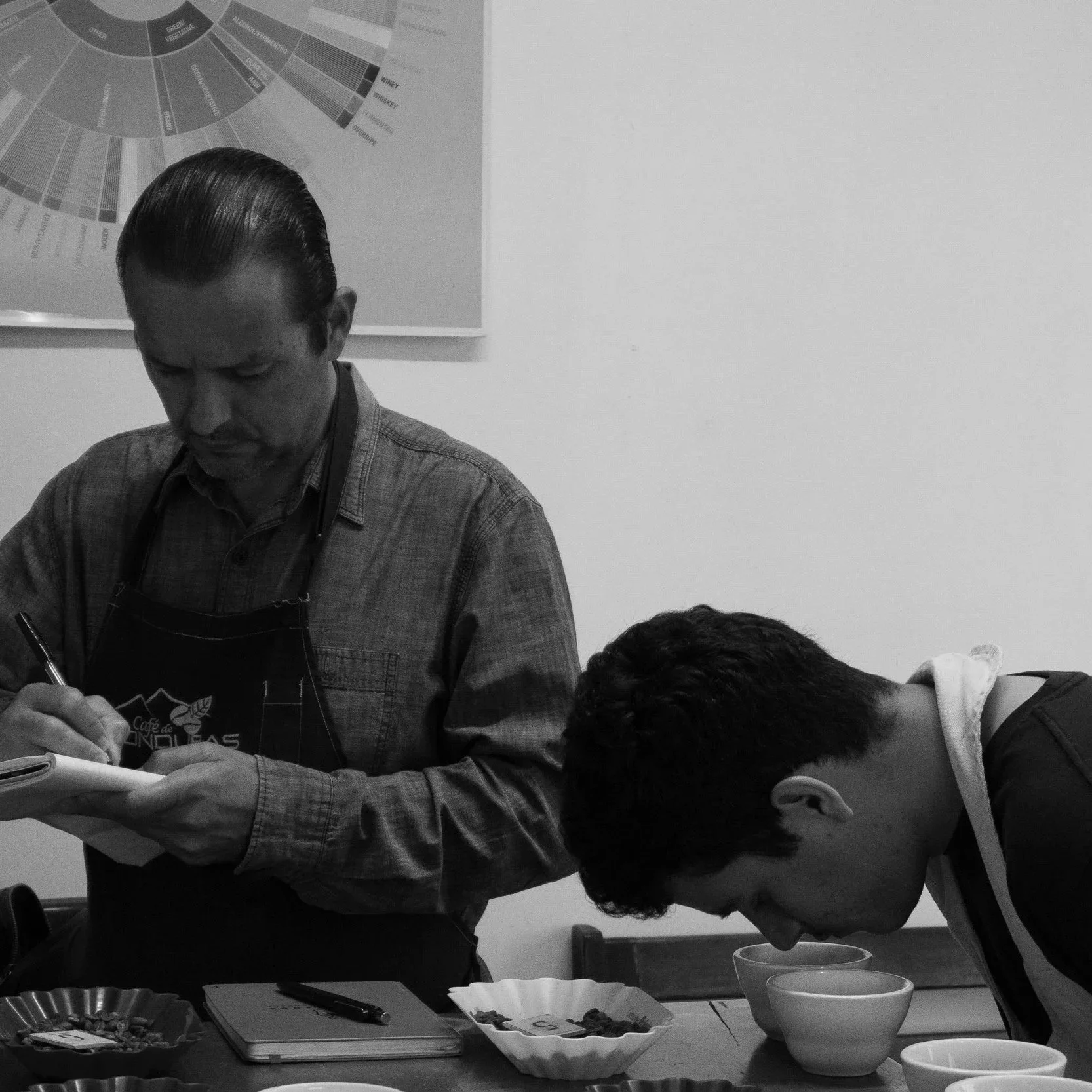
Denilson and his father, Franklin in their cupping lab.
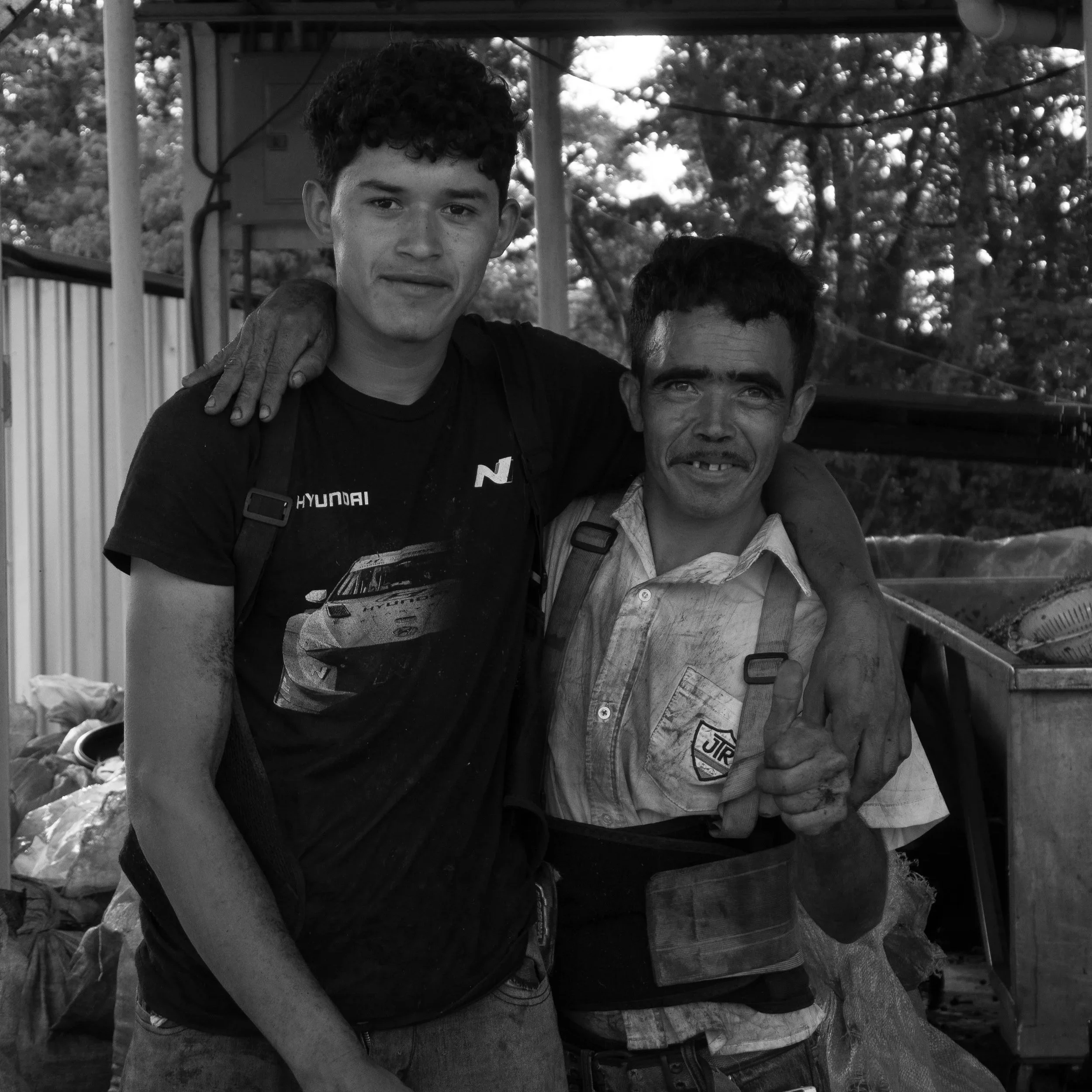
Workers at the wet mill, a break between pulping and fermentation.
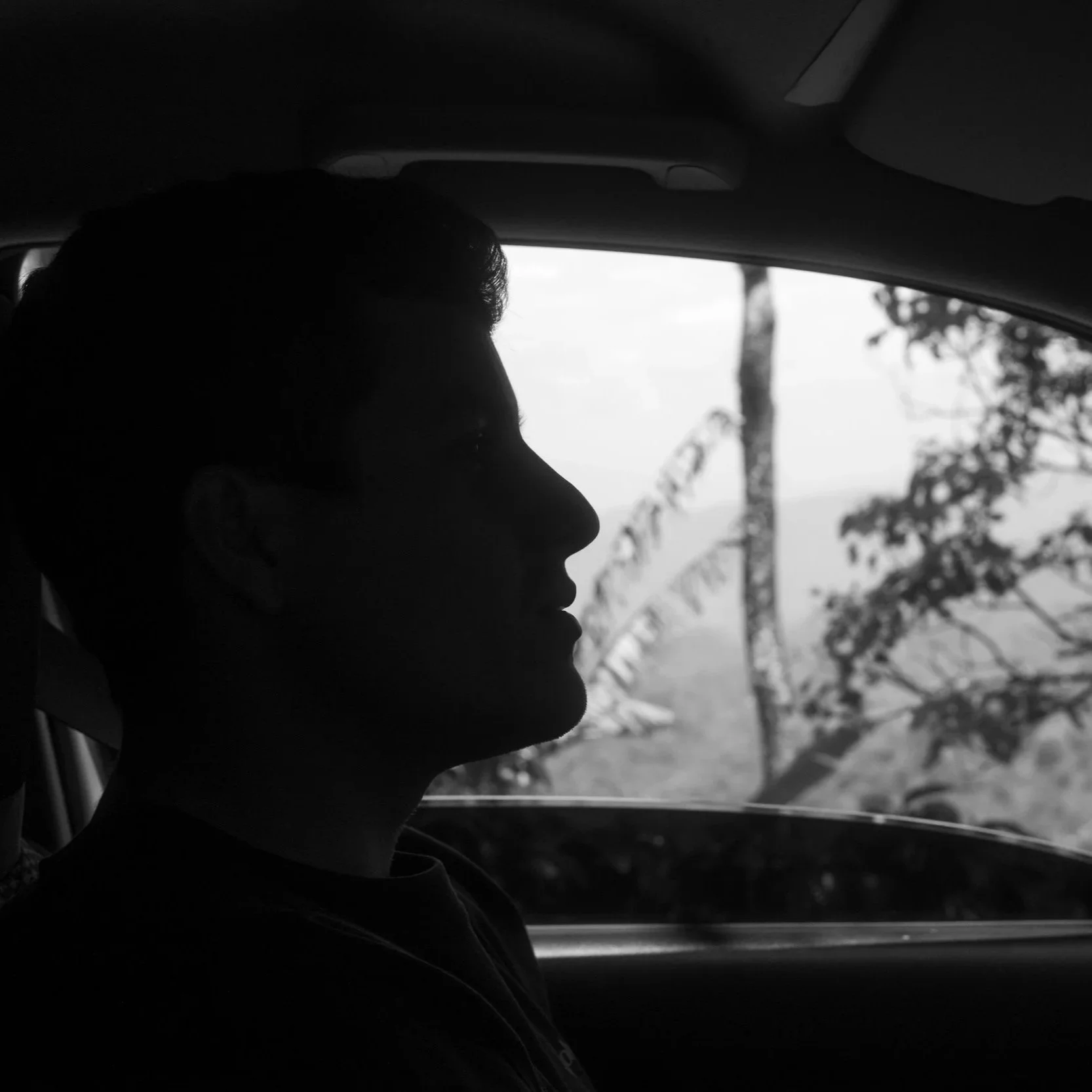
A drive with Denilson.
Cup of Excellence
The trip concluded with the privilege of serving as an International Judge for the Honduras Cup of Excellence, one of the specialty coffee industry’s most respected quality competitions. For more than two decades, the program has helped showcase Honduras’s finest coffees to buyers around the world, rewarding producers who achieve extraordinary quality while providing a transparent platform through which these exceptional coffees can reach the international market.
Judging alongside colleagues from across the globe was both humbling and inspiring. Hundreds of coffees were evaluated through multiple rounds of blind tasting before the highest-scoring lots earned Cup of Excellence recognition and go to auction.
After spending time in the mountains of Santa Bárbara, meeting the families behind these coffees, and seeing firsthand the work required to produce them, the competition took on an even deeper significance. Every sample on the cupping table represented months of labor, years of accumulated knowledge, and generations of commitment to the craft of coffee production. Cupping and scoring these coffees was an exacting process but it reflects the remarkable level of care and dedication invested by the producers.
Honduras continues to establish itself as one of the world’s great coffee-producing origins. While its future will undoubtedly be shaped by changing markets, climate pressures, and evolving production practices, it is the resilience, generosity, and pursuit of excellence shown by producers like the Madrid family that leave the strongest impression. I returned home with a deeper appreciation for the country’s remarkable coffee culture, strengthened partnerships, and an excitement to continue sharing these exceptional coffees with our community.
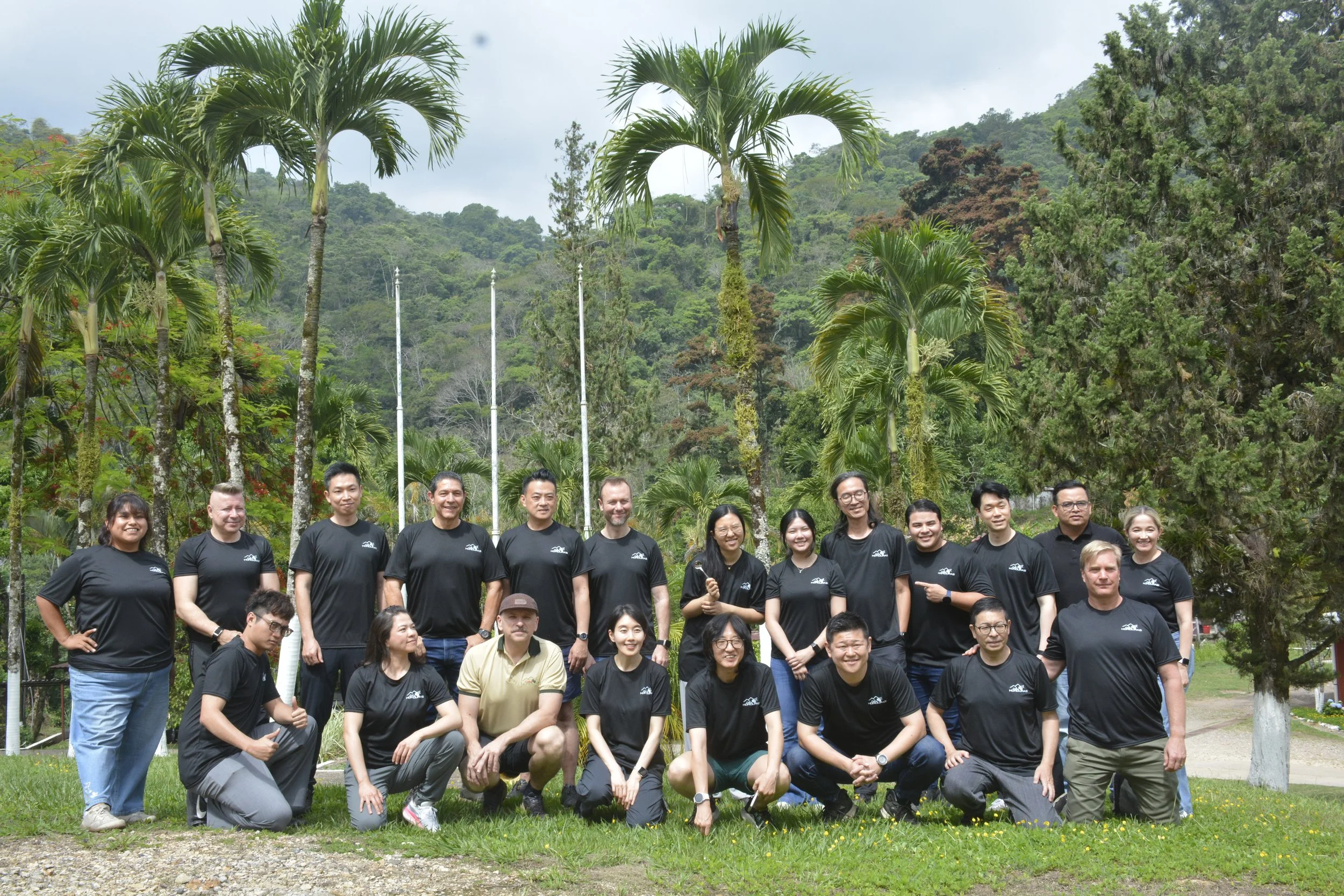
Honduras 2026 Cup of Excellence International Jury
Notes
ILO. (2024). Mapping the Coffee Value Chain in Honduras (CLEAR Supply Chains). https://www.ilo.org/sites/default/files/2024-07/Honduras_Coffee_Value_Chain_Mapping.pdf
UNFCC. (2023). Case Study: Effects of Hurricanes Eta and Iota in Honduras. https://unfccc.int/sites/default/files/resource/Case_Study_Honduras_Eta%20and_Iota_LDwksp1.pdf
USDA. (2026). Honduras Coffee Annual HO2026-0002. USDA Foreign Agricultural Service.
Volcafe. (2022/2023). Building Business with Honduran Coffee Farmers (Direct Relationships and Reduced Intermediation). https://www.volcafe.com/files/Volcafe_Story_HN_FarmerRelations_202306.pdf
