
The Best of Nariño 2025 – Cultivating Coffee, Harvesting Peace
By Peter Jones.
—
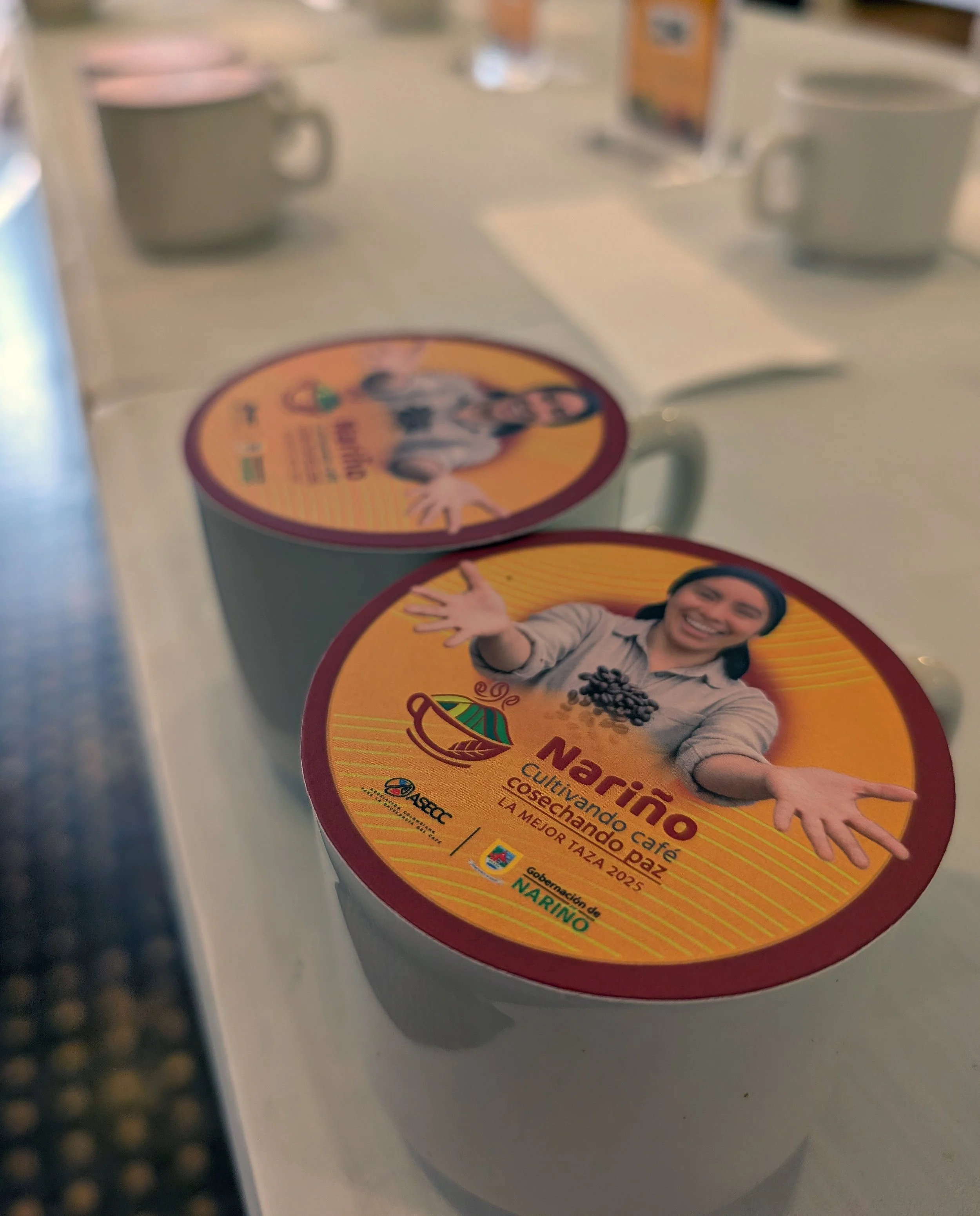
Colombia always steals my heart – from the coffee to the people to the land, it is a magical place. In the last quarter of 2025, I had the honor to participate as the Head Judge for the Best of Nariño (La Mejor Taza) coffee competition and event, looking for the best coffee from Nariño for 2025. With a slogan of “cultivating coffee, harvesting peace,” the event not only brought together 250+ of the best lots of coffee from the harvest, but also broke new records for the highest price paid for a coffee at auction in Colombia ($150.50 USD per pound). The competition and event were a huge success for the caficultores (coffee farmers) of Nariño, reinforcing that growing specialty coffee is a viable and rewarding livelihood.
Coffee Growing in Nariño
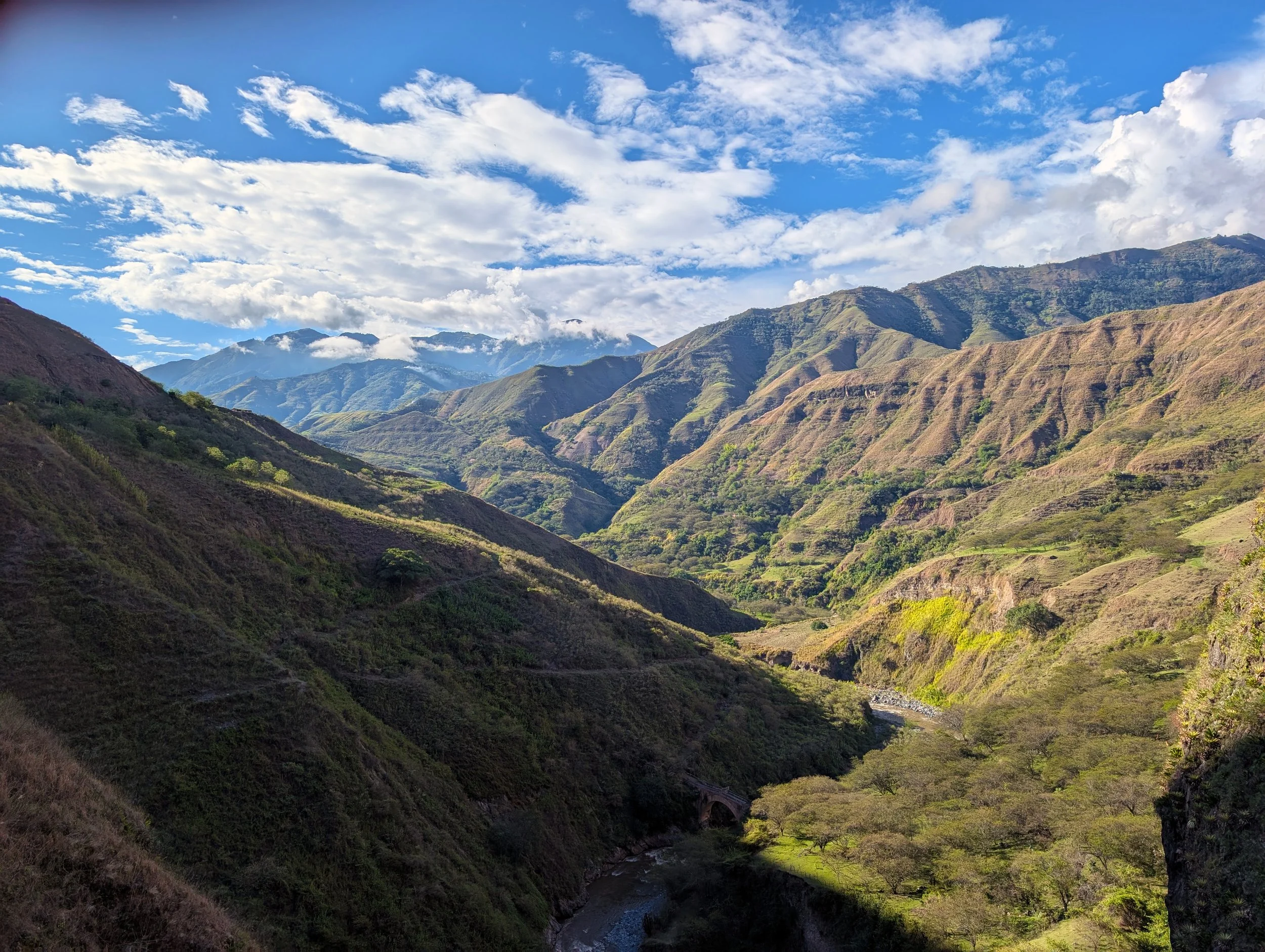
Nariño is a Department in the far south of Colombia, bordering Ecuador to the south and the Pacific Ocean to the west. Home to over 40,000 caficultores who mostly live in the mountainous central part of the Department, coffee has always been an important part of the overall economy of the region, but only in the last 15 years or so has its value been recognized as a means of sustainable livelihood.
Specialty coffee from Nariño is unique – altitudes range from 1,800 to 2,400 masl, extreme topography creates large temperature variations and unique microclimates, and highly mineral rich soil from the active Galeras Volcano (see Note 1) are noted aspects of the terroir. Emitting plumes of mineral rich ash every few years across the coffee fields, the Galeras Volcano ash imparts unique flavors to the coffee beans. Similarly, because of the extreme topographic difference between river canyons and high peaks, warm air from the canyon bottoms slowly rises up the slopes each evening, keeping the coffee plants warm despite the high elevation during the first part of the night, while cooler air sinks from the high peaks in the early morning hours, cooling the cherries and concentrating the sugars. The result is that coffees from Nariño abound in complex aromas and flavors with high sweetness and balanced acidity.
The unique terroir of Nariño coupled with the proud caficultores, many of whom go back 4 or 5 generations, has resulted in Nariño becoming one of the largest coffee producing Departments in Colombia (see Note 2). However, much of the coffee grown in Nariño has traditionally been Castillo or Colombian, and only recently have farmers started to switch to newer varietals such as Geisha, Pink Bourbon, Caturra, SL28, Ombligon, and others.
La Mejor Taza 2025 de Nariño
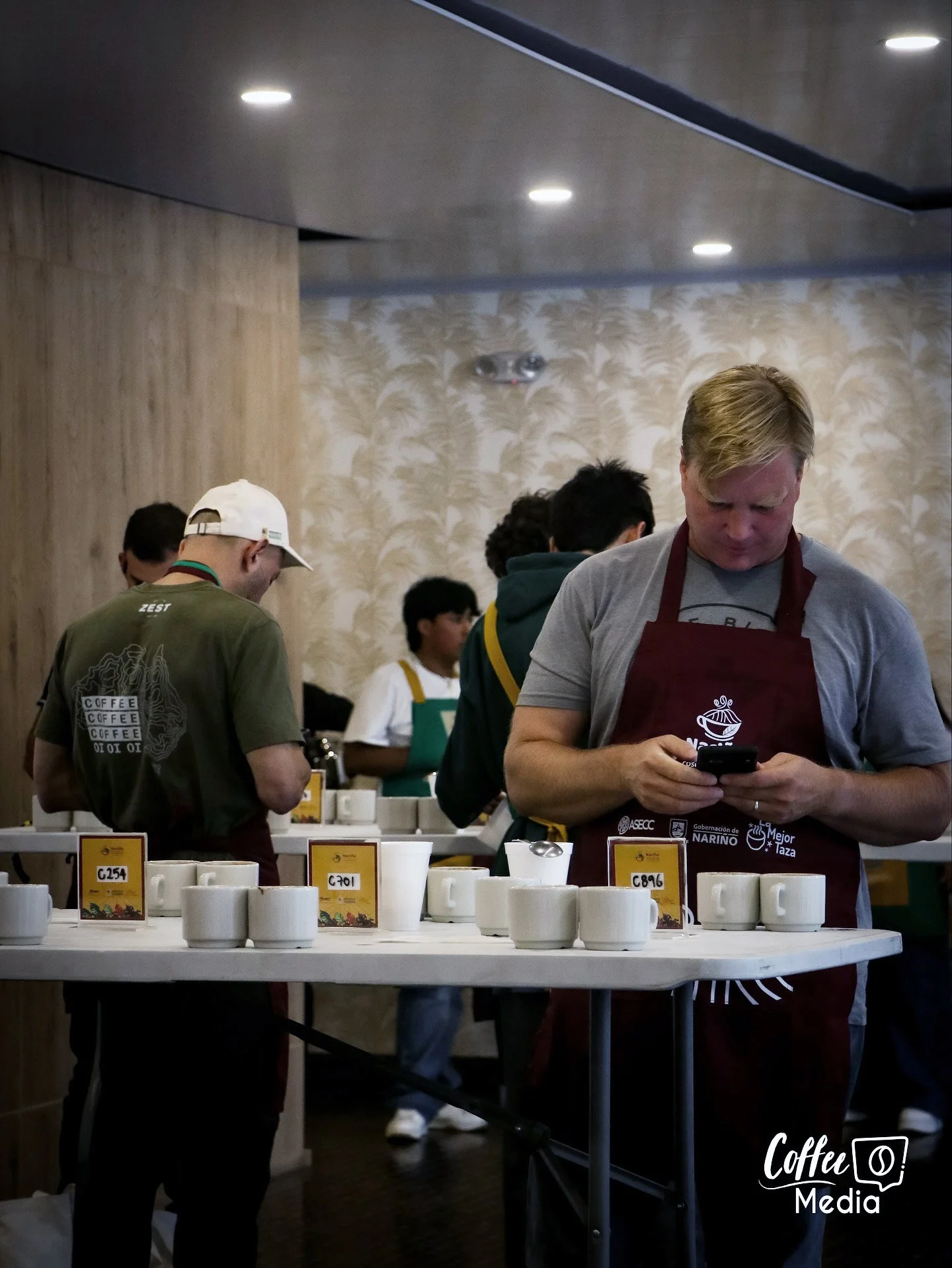
I arrived in Pasto, the capital of Nariño, early on a Wednesday morning and went straight to work helping the backend crew prep for the competition. Two weeks prior the National Jury had gone through the 250+ submitted lots and arrived at the Top 30 coffees. Our job now was to make sure those top 30 lots really shined and were ready for the International Jury who would be cupping them over the next three days.
Being a Head Judge is both an honor and a stressful job. You are responsible for making sure the competition goes off without a hitch – from backend prep work, to the dosing of thousands of cups, to roast profiles, and everything in between. Luckily, there was only one night where we had to do re-roasts until about midnight, otherwise the competition flowed smoothly, and the group of International Judges cupped and scored the coffees with focus and dedication. In all, we cupped 2,520 cups of coffee!
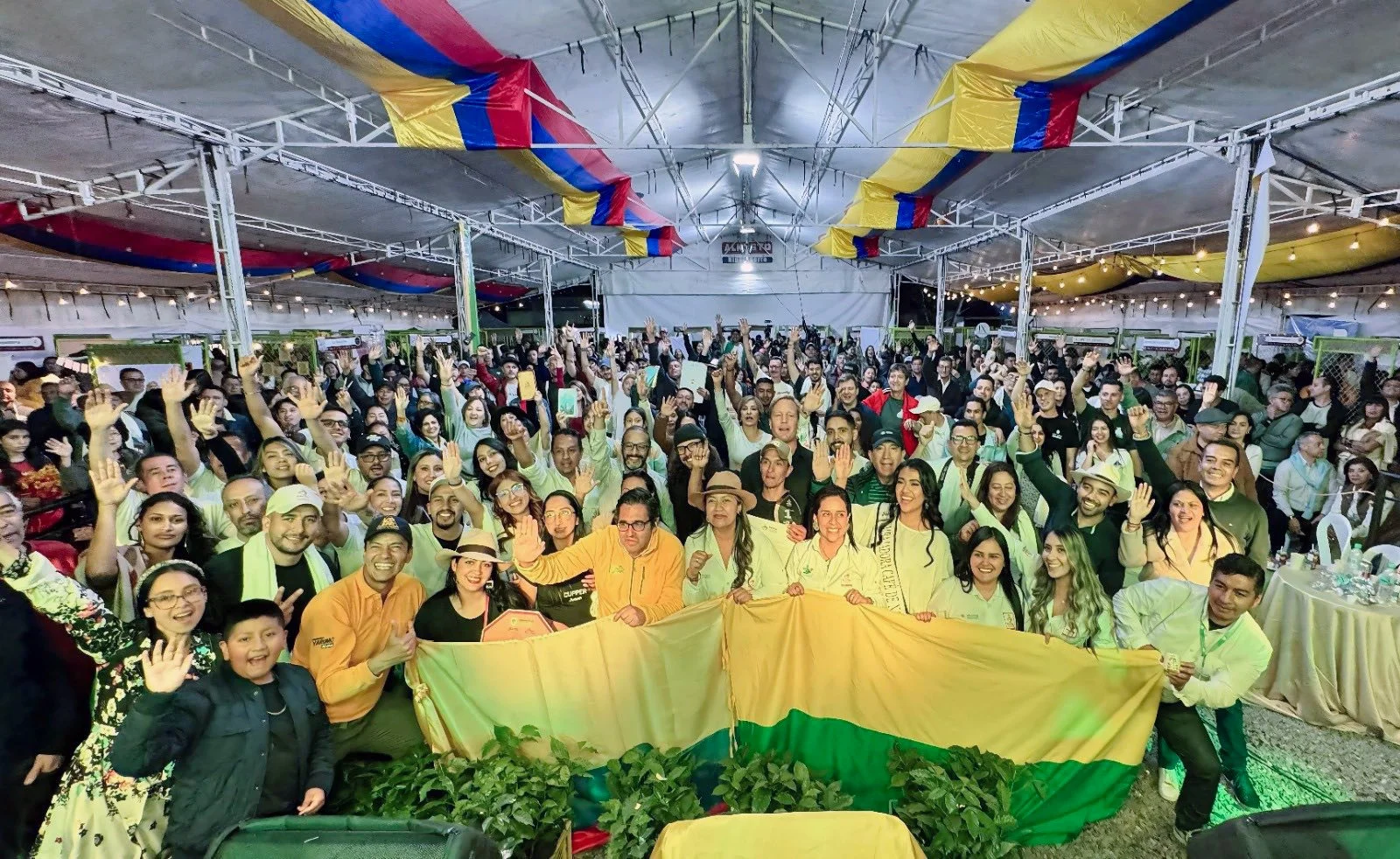
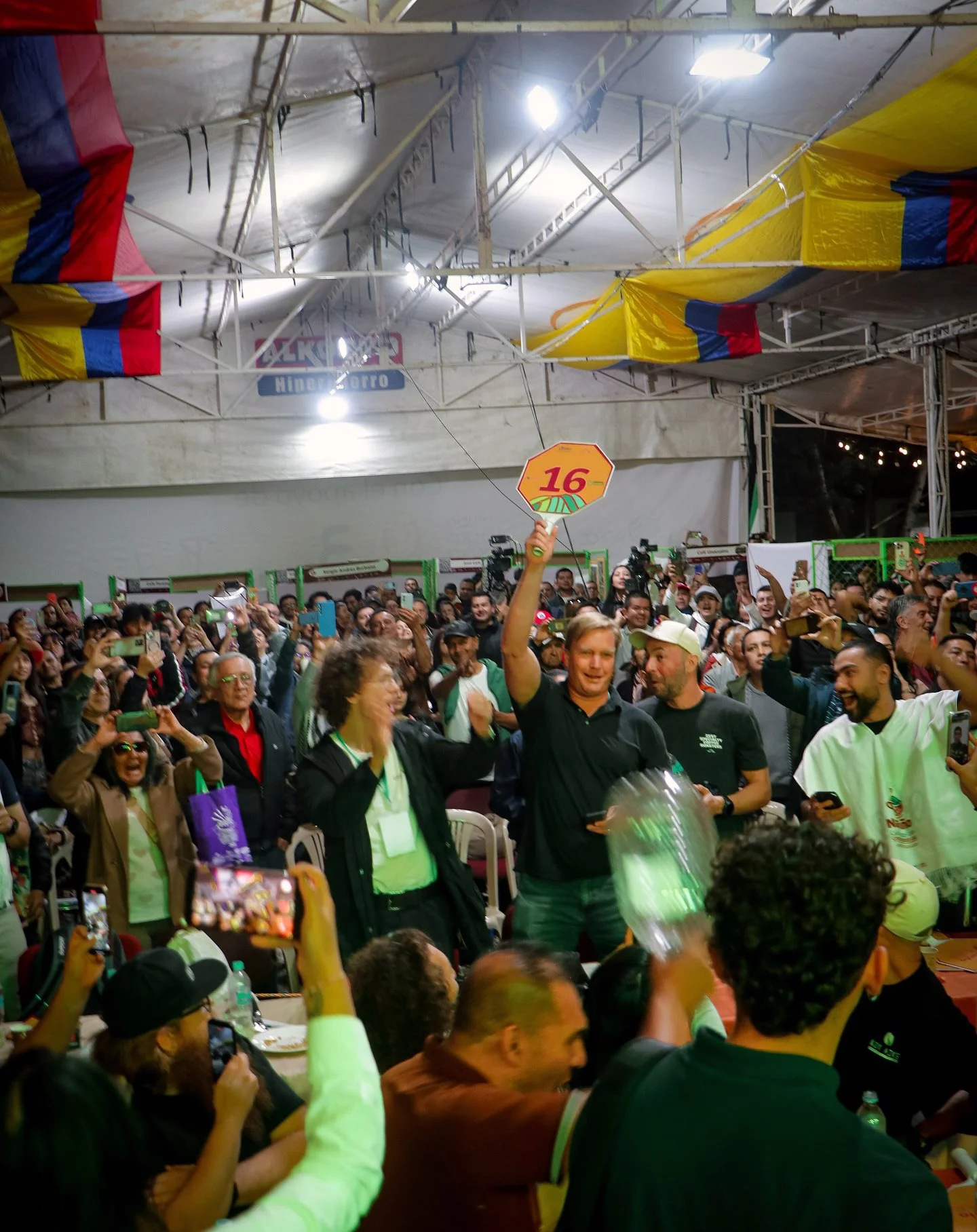
On Saturday afternoon, as around 1,000 caficultores and their families from around Nariño gathered in the large tent set up outside on the Hotel Morasurco grounds, results were tabulated and anticipation was high. The energy was palpable as everyone awaited the live auction and results – who would win, what price would be paid for the top lot, which town would claim honors to growing the best of Nariño?
Competitions and auctions like the La Mejor Taza are instrumental in Colombia for a number of reasons: they help local farming families reach international markets; they help drive up both price and cup quality by directly rewarding farmers and shining a light on new villages, towns, and regions; and they verify that growing specialty coffee can be an economically rewarding livelihood that inspires younger generations to stay in coffee. During the auction, prices reflected the quality of the coffees, with most lots selling for over $20/lb USD. The #1 ranked coffee, a beautiful, multi-stage processed geisha grown by Yeisom Marino Burbano from the small village of San Pedro de Cartago stood out above all others, not only in cup quality, but in final price – setting a new national record, the coffee sold for $150.50/lb USD!
When the final auction hammer fell, the caficultores of Nariño erupted – not only did all of them receive substantially higher prices for their coffee then ever before, but they now had proof that all their work, sacrifice, and labor was a viable way to carry them and their families into the future. In recent years pressure from Narco traffickers has increased, causing some caficultores to abandon farms and for younger generations to leave farms and move to cities. With auctions like the Best of Nariño, and with prices substantially above both the domestic and green trader price levels, producers and their families experience a pathway out of the cyclical hardship that has plagued most Colombian coffee farmers. Of all the agricultural products grown in Nariño (wheat, barley, beans, potatoes, coffee, etc.), it is coffee – and particularly specialty coffee – that is seen as a way out of this cycle for many people.
The Best of Nariño was a huge success – records were broken, farmers realized the real value of their coffee, and a bright international light was shown on the caficultores of Nariño. It was an honor to participate and for Idle Hands to be part of the competition. We are excited to have won Lot #4, a beautiful natural geisha by Jesús Gutiérrez from the northern part of Nariño. Thank you to the Government of Nariño, ASECC (Asociacion Colombiana para la Excelencia del Café), the community of Pasto, and the caficultores of Nariño.
Notes
1. Global Volcanism Program, 2018. Report on Galeras (Colombia) (Crafford, A.E., and Venzke, E., eds.). Bulletin of the Global Volcanism Network, 43:1. Smithsonian Institution. https://doi.org/10.5479/si.GVP.BGVN201801-351080
2. Reporte:Comparativo de Área, Producción, Rendimiento y Participación Departamental por Cultivo. Accessed November 2, 2025 https://www.agronet.gov.co/estadistica/Paginas/home.aspx?cod=3
