
 Image 1 of 2
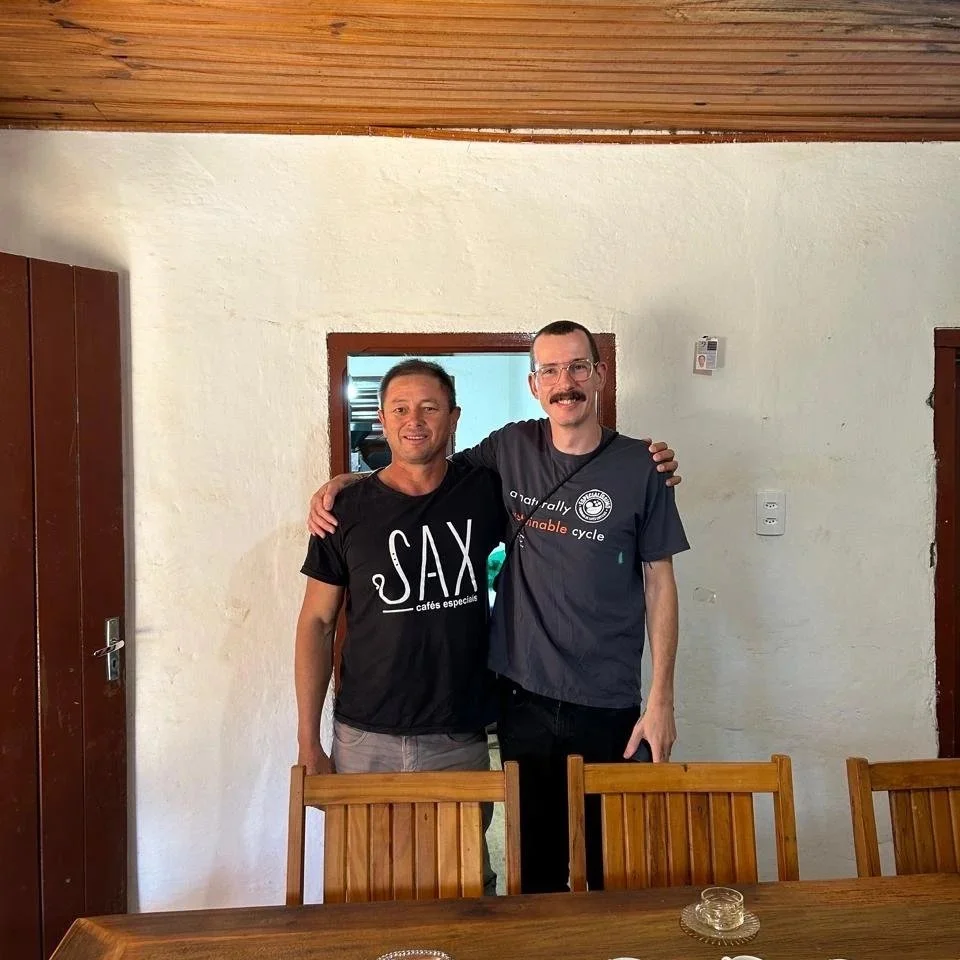 Image 2 of 2
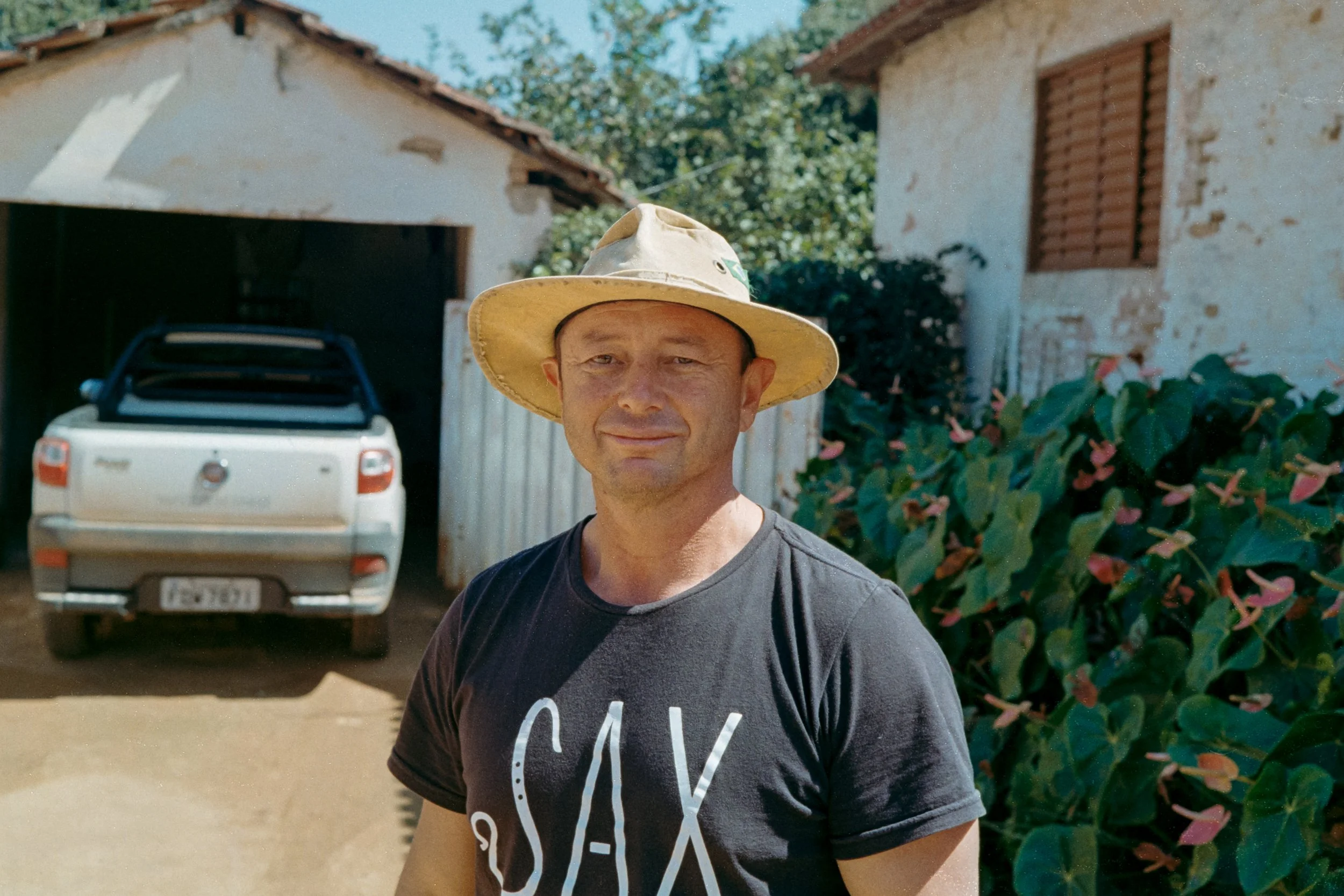
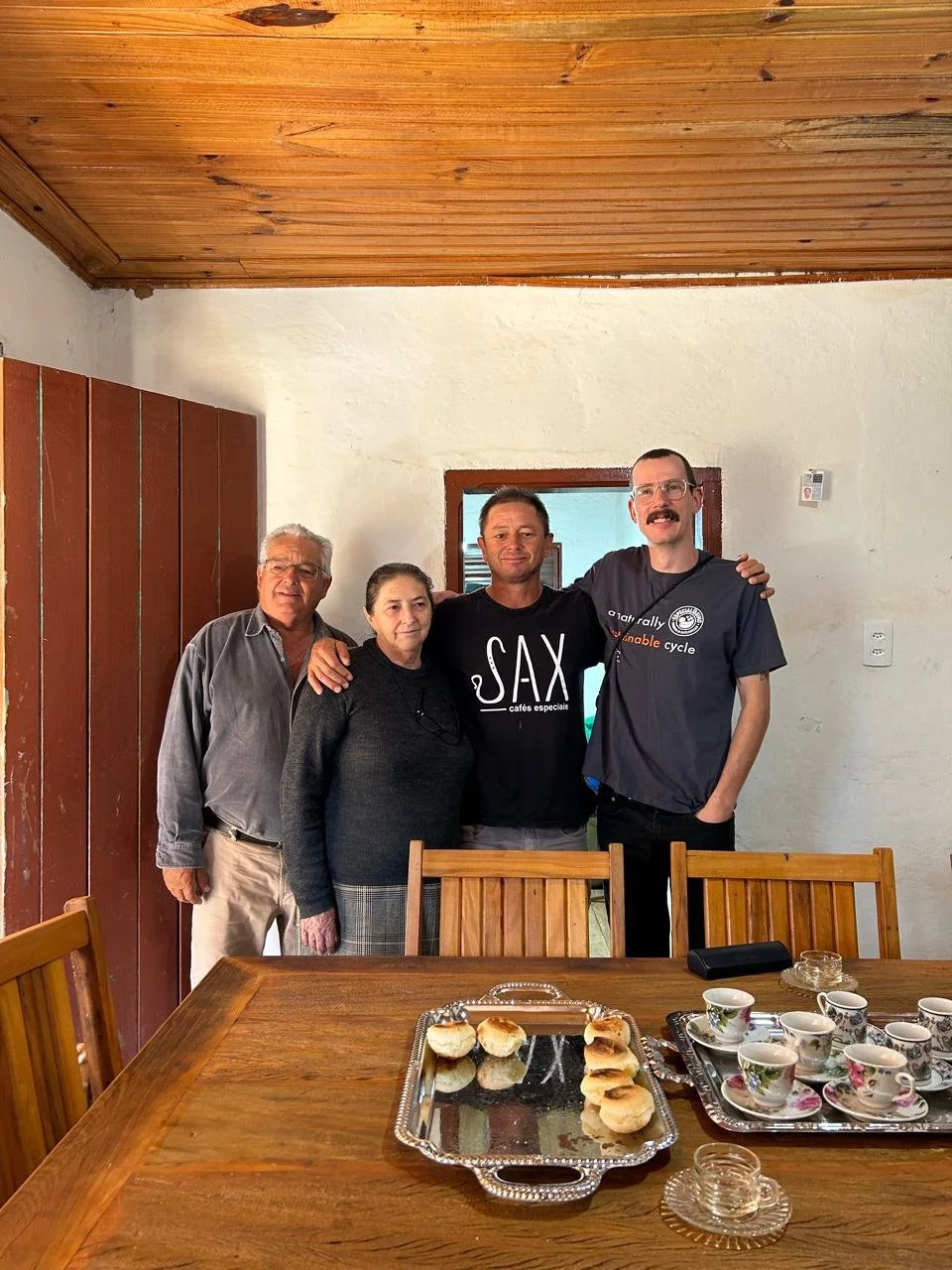
Producer Manassés Sampaio Dias
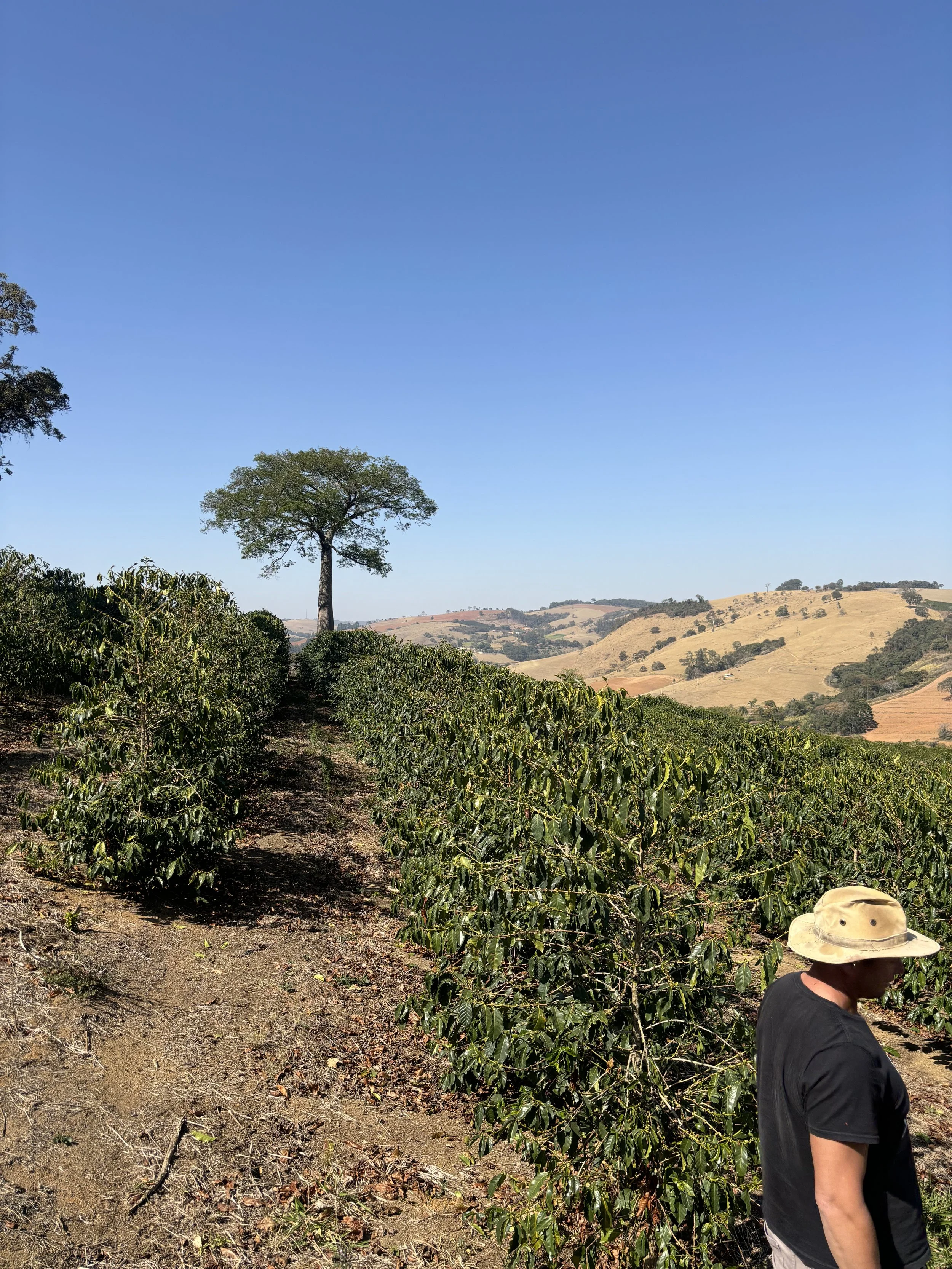
Farm Sítio Três Barras
Municipality Divinolândia
State São Paulo State
Region Média Mogiana Paulista – Região Vulcânica
Sun Exposure Predominantly Sun, mixed shade
Farm Size 22ha; 10ha coffee, 12ha grasslands and native forest
Altitude 1300 masl
Latitude -21.67360
Longitude -46.66340
Variety Obatã
Process Natural
Fermentation Inoculated with local yeasts and microbes; 160 hour dry sealed in high-barrier bags
Drying Raised beds, finished on patio
Harvest 2025
Flavor Caramel, Maraschino Cherry, Blood Orange, Yellow Fruit, Yuzu, Underlying Florals
Descriptors Velvety, Creamy, Pleasant Acidity
Certifications Member of APROD - Fair Trade Certified Association
About this coffee This small slice of paradise, Sítio Três Barras, has been in the Dias family since the 1940s, when Manassés’ grandfather, José Caetano Dias, farmed the land. Coffee was planted here in the 1950s, but eventually abandoned, and finally reintroduced by Manassés’ father, Artesio Sampaio Dias, in 2001.
Not long after, the family joined APROD, believing that collective work could make coffee farming both more profitable and sustainable. When APROD became Fair Trade certified in 2012, Manassés and his father realized the program’s values matched those they’d inherited—care for the land, for people, and a belief in sustainable production.
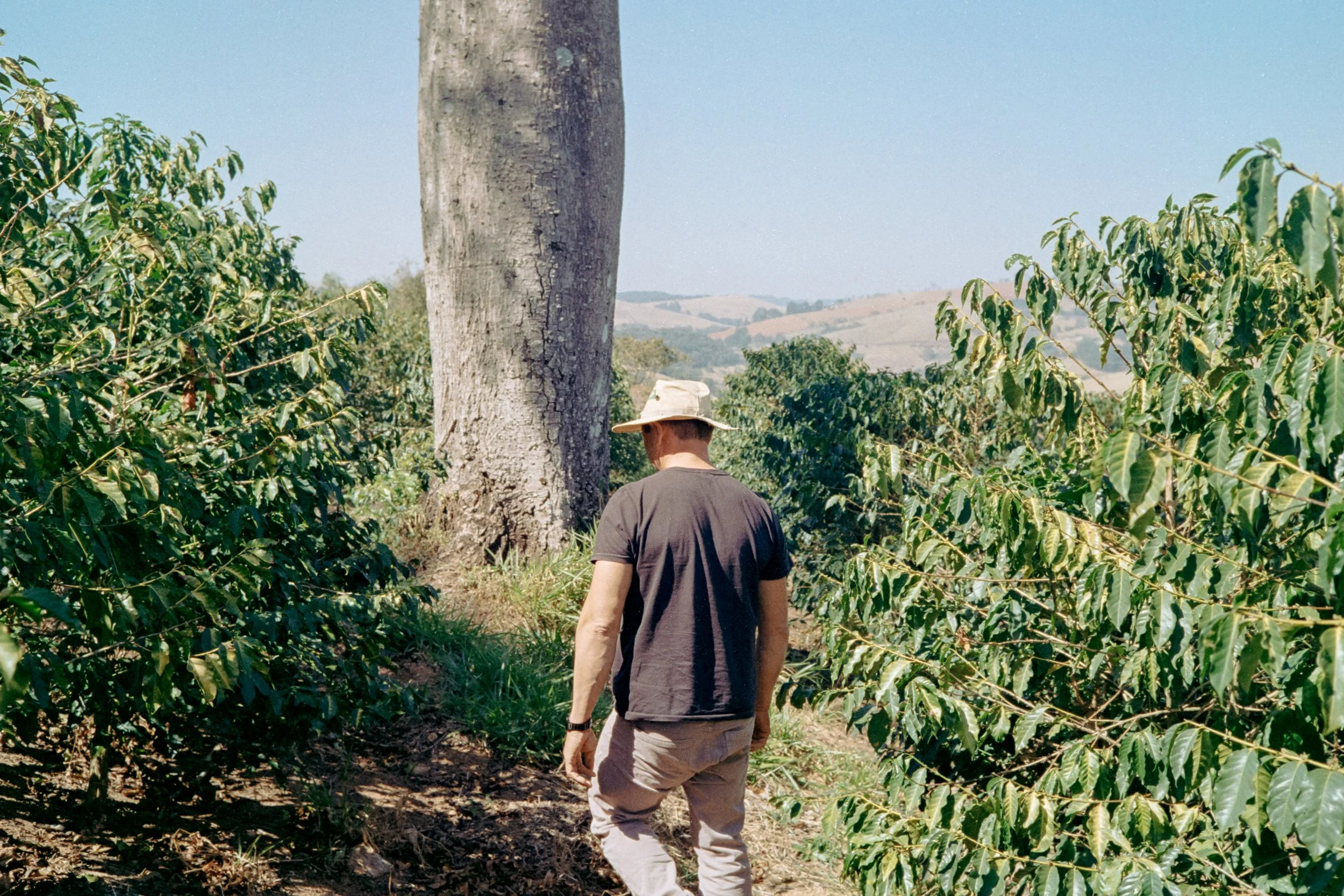
Over the past decade, they’ve steadily reduced the use of agrochemicals, restored native vegetation, and introduced trees among the coffee plants. These practices have improved soil health, reduced costs, and made the farm more resilient. Today, Sítio Três Barras is part of a Regenerative and Conservation Agriculture program, aligning with global efforts to combat climate change.
The farm also has a huge genetic diversity of coffee varietals; Obatã, Icatu, Yellow Bourbon, Catuaí, Catucaí, Paraiso 2, Pacamara, Geisha, and Kenya, all undergoing trials of processing each year, both traditional and non-traditional methods. Manassés has had success in regional competitions and even placed 6th place in the 2024 Cup of Excellence in Brazil.
Ripe Obatã cherries were harvested and placed in sterilized high-barrier bags where they were then inoculated with yeasts and bacteria which were first isolated from the farm’s own terroir. The bags were then sealed, ensuring minimal oxygen exposure for approximately 160 hours at a low temperature in the shade of an avocado tree, after which they were opened and the cherries moved to raised beds. After reaching an average moisture content of 18%, the coffee was transferred to the concrete drying patio, where the process was completed until the ideal moisture content was achieved. The coffee rested for about 60 days before hulling.
Green Cost $9.00 FOB
Transportation, Financing, Storage & Logistics $0.78
Production Cost $6.06
Idle Hands Cost $15.80
Exporter SMC Brazil
Importer Sustainable Harvest
Intermediary Idle Hands Roasting Co. with SMC
Bags Purchased 4x 59kg
Cup Score 87.5
Roaster Loring S35 Kestrel
Color change 4:48 | 316°F
First crack 8:40 | 383°F
Duration 10:30
Dev. time 1:50
Dev. time ratio 17.5%
Start temp. 330°F
End temp. 410°F